

Mastering the three resources that shape your life
You only have three actual resources: your time, your energy, and your focus. Everything else like money, creativity, opportunity, depends on how you use them.
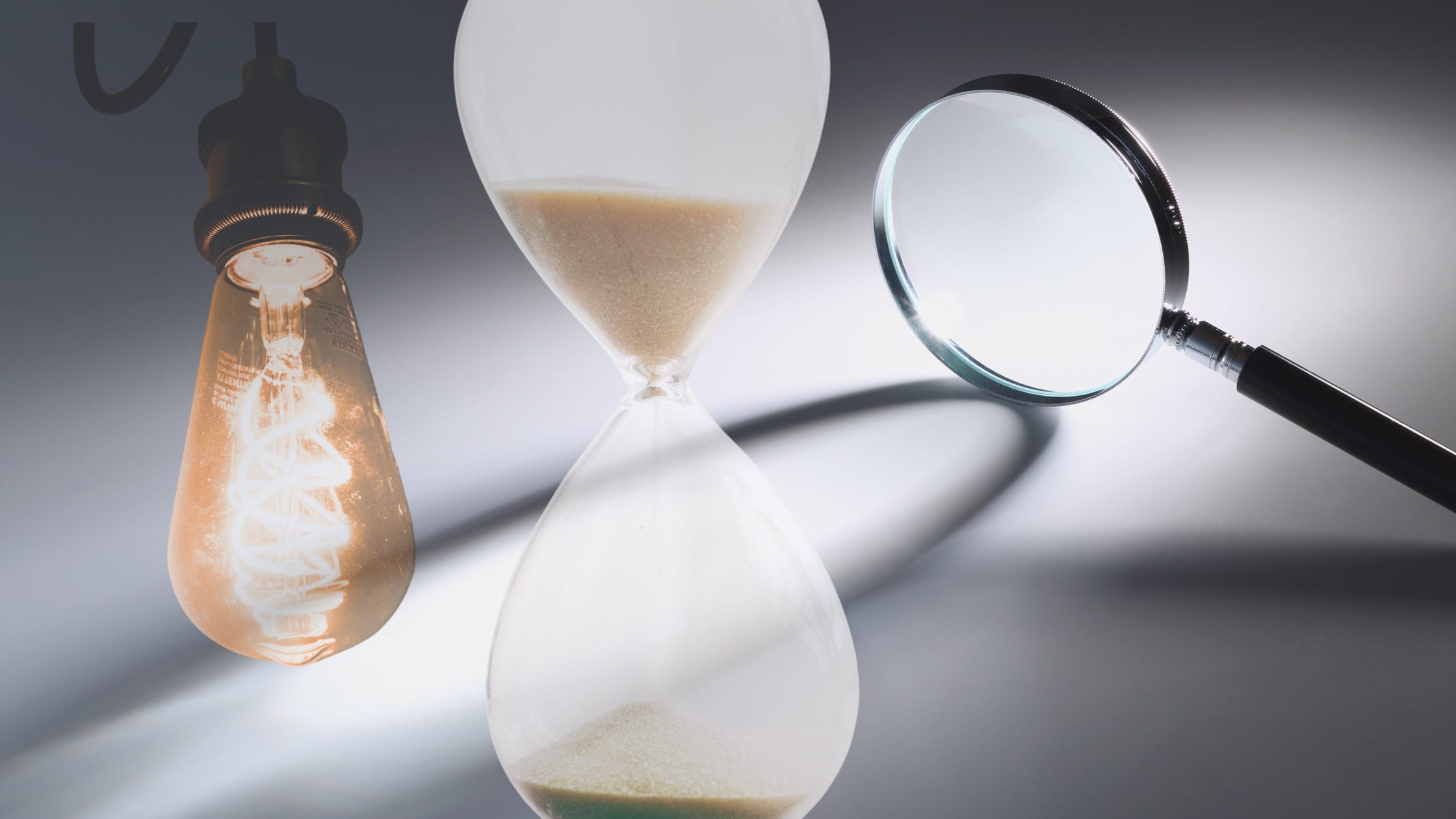
The most precious resource of them all is your time.
As we have all experienced, time is not as fixed as we think it is; it can slow down, and it can fly by. We do not have much control over that, but we can choose how we spend our resources.
Master your energy and focus and you get your time back. This is the art of having time.
Time
Time, objectively speaking, is fixed. You can’t make more of it. We all get twenty-four hours a day. That’s it.
But the strange thing about time is that it doesn’t always feel the same. We don’t experience it objectively.
This is why our subjective experience of one hour sitting in traffic feels much different from the hour we pleasantly lost while in a creative flow state or sitting with a loved one.
Time stretches or collapses depending on your presence. They say time flies when you’re having fun, but really it just passes more quickly when you are not fully present and concentrating on something.
Maybe you have experienced this. When you’re grounded and absorbed in the moment, time slows down. This deep focus has many names: presence, awareness, flow state. But when you’re distracted and scattered, it disappears.
That’s why deep focus feels so different and time seems to dissolve. Minutes can feel like hours. Conversely, multitasking leads to burnout and feels like your life is vanishing in fast-forward.
You can’t control the number of hours you have in a day, but you can control how alive those hours feel. What you focus your energy on shapes your life and your experience of it.
Energy
Energy is like the water level in a well. You can’t draw from it endlessly.
Every decision you make either fills the well or drains it. Sleep, food, sunlight, and movement refill it. Positive relationships replenish us. Meditation and prayer fill us up.
Worry, clutter, and overcommitment, conversely, poke holes in the bucket.
There are silent energy leaks everywhere: doom-scrolling, overthinking, saying yes when you mean no. They don’t seem big, but they add up and can leave you drained.
Train your awareness to protect your energy like you would a battery on a long hike. Turn off what you don’t need. Put yourself in airplane mode if you must. Use some of your time and focus to replenish what fuels you. You know what this is for you personally—what actually replenishes you. For me, it is learning, writing, meditation, exercise, and going to bed early. Turn off the phone and deeply relax.
When your energy rises, life stops feeling like survival and starts feeling like an interesting, fun, and creative process again.
Focus
Focus is the most mysterious of the three. It’s not fixed like time and not replenishable like energy. It’s trainable and always in the moment.
Think of light through a magnifying glass. Diffuse light warms; concentrated light burns (good if you want to start a fire, but leave those poor little ants alone).
When your focus is scattered across too many things, nothing catches fire. When you aim it at one single point, it becomes exponentially more powerful and ignites your passion.
We think we can multitask, but multitasking is a myth. Neuroscience has proved that what we call multitasking is actually just rapid task-switching.
Your brain can’t truly split attention; it just hops between things, losing momentum every time. That’s why an hour of deep work can feel more satisfying than an entire day of busyness, and you can get a lot more done when you shut down all distractions.
All of the most successful people point to this as their secret weapon. Focus is power.
Focus is the tool that sculpts time and directs energy. It’s how you turn potential into progress.
How They Work Together
These three resources are like your legs, torso, and head. They must all work together to carry you forward. When one grows strong, the others thrive. When one withers, the whole system struggles.
When your energy rises, your focus sharpens. When your focus deepens, time slows. When you use your time wisely, your energy replenishes.
Master one, and you begin to elevate all three.
How to Practice the Art
Start with awareness.
Ask yourself: Where is my time actually going? What drains my energy the fastest? When does my focus feel effortless?
Audit your day like a gardener plans his vegetable bed. Use every square inch of soil to grow the most nourishing veggies. Place the water where it will nourish those roots. Pull the weeds as they pop up.
This is how you can shift the balance: spend more of your time and energy on the things that restore you. Cut what scatters or drains you.
Habits are like your automatic irrigation system. Once something becomes automatic—your morning routine, your walk, your journaling—it no longer costs as much energy or focus. It builds you, compounds its returns, and gives back more than it takes.
That’s when mastery starts to feel like ease.
Reflection
The art of having time isn’t about doing more. It’s about wasting less.
It’s learning to live in alignment with what really matters. When you do, time slows, energy steadies, and focus deepens.
And life stops feeling like something you’re racing through with no clear finish line. Through the art of focus, energy management, and time allotment, life returns to a timeless and effortless flow.
This is clarity. This is alignment. And it culminates in having time: time to live, time to create, time to connect, time to enjoy.
Use your time intentionally. Protect your focus fiercely. Replenish your energy consistently.
That’s how you master the three resources that shape your life. This is the art of having time.